Review of the Nine Billion Names of God by Arthur C. Clarke:
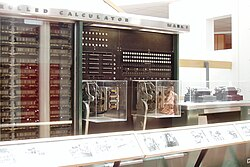
The Automated Sequence Computer is designed for complex numerical calculation, but it does not perform word processing or text-based manipulation. In this passage, we see that the lama (spiritual leader in Tibetan Buddhism) wants the automated sequence computer to perform a task it is not designed for, which is manipulating text (letters). With modification of the output circuit the machine will be printing columns of words, rather than numbers. The aim was to compile a very long list in a short period of time. This list was meant to take thousands of years to complete. In this short story, the author made us see how computer can be manipulated to meet the needs and imagination of man. Even though, the main purpose of the sequence machine is primarily for numerical calculation, it would later be modified to meet other’s needs (text-based) in the passage.
In this passage we would also see that the intent or reason behind some creation is not always what we expect it to be. On surface level it may seem good, but deep down it may not be as ethical as we hope it would be. In the story, we see dr Wagner asking the lama for the purpose of his project, the answer wasn’t concrete, it was simple based on religious beliefs. We would later see, that it was meant to manipulate people into thinking that the rapture would take place after the last nine billionth name of God has been read. It may sound trivial, but this could be a serious issue. Like George said, he had similar experience as a child in Louisiana and a lot of people sold their homes. In this case, the two programmers where scared what would happen if things didn’t go the way the lama wanted? Would their computer be blamed for it or not? People can be unpredictable and shift blames when things don’t go their way. Today, the use of technology is blamed for a lot of the ills in the society, when really the people using it is the real problem.
In this passage, we see that the vision of AI or computer technology has no limit. It is unimaginable. We just have to think and then it does what we want it to do. In my experience, technologies branded as AI can be beneficial depending on what it is written or created for.

There are times when we experience bugs in a program which can cause disruption, but when corrected (maintained) the issue is resolved. So, the problem is really not the program, it is the people writing the program and their intention.
Computers do not have minds of their own, they are controlled and manipulated by human beings.
Review on the Ones Who Look by Katherine Duckett:
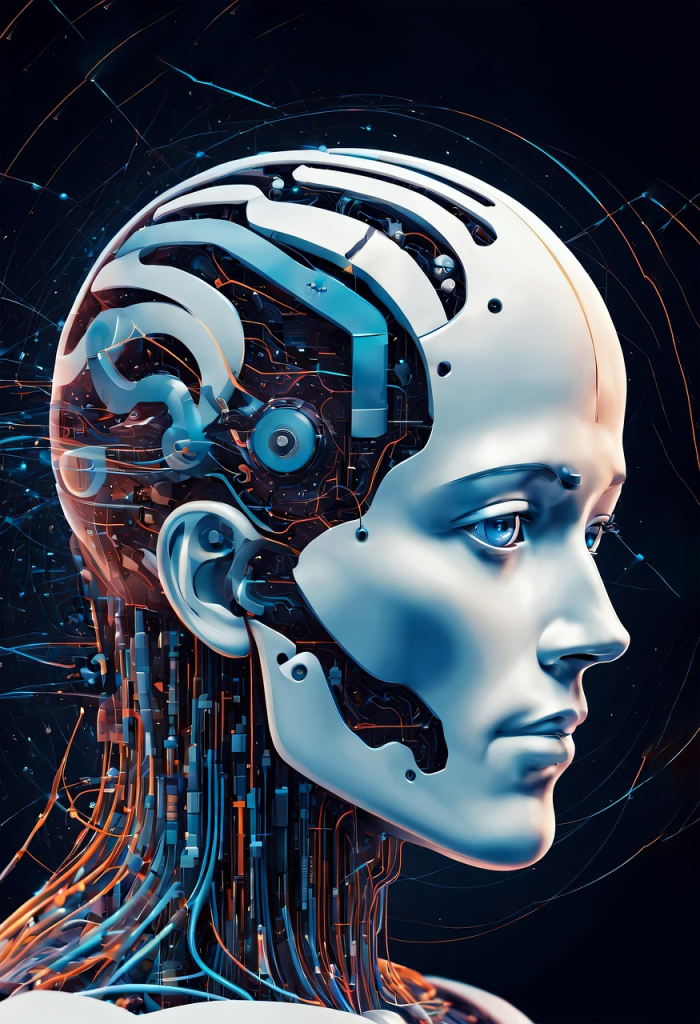
In this story, a technological system is built to help or guide people into doing right, so they can have a special place in heaven. This system is based on points. When you do something deemed as ethically wrong you lose some points. When logged out of the application, you lose some points. Everyone on the app is assigned two angels that guide them when they are about to make decisions that may cost them points. The creator assumes a world where people are indirectly controlled by the technology or AI system they trust. They build their behavior and actions on what the technology tells them is morally ethical, in order to gain enough points to gain access to a place in heaven when they die.
The interesting part of this story is, this technology is built by a man (Boltzmann) who makes a lot of money from this technology. This can be seen where it says, the Empire’s wealth exceeded the GDP of a good percentage of the world’s countries. The empire uses the testimonials of rich and famous celebrities from the afterlife to encourage others around the world to sign-up. This ethical empire created has become so big that it becomes difficult to bring it down. This can be seen when Zoe realized the truth about the empire. Henri said, “Stop Boltzmann, and someone else will take his place”. This is similar to the world we live in now; AI technology has gotten to a level where it becomes difficult to stop it. The revolution to help people live right and make heaven might have been from a good place when the thought was first conceived, but it turned out to be all lies and deception. The heaven people hoped for doesn’t even exist as it was broken from the beginning according to the story. The people were still made to believe that the system works, probably because the founder wants to keep making money. People were encouraged to sign-up, live right (follow ethical moral standards) and earn more points to gain access to a place in heaven.

In this story, we see that people can easily become manipulated by the technology/AI they use. This shows that technology could get to a point where it becomes highly manipulative to the level where people depend on it for everything, like we see in the story and also in reality. Zoe for example felt more comfortable when her device was on and she has her angels around her, even though she doesn’t follow most of the advice they give her. A lot of other people in the story also left their device on, even when in the process of doing what is deemed as wrong.
The vision of AI presented in this story is one of indirect manipulation and deception. It looks good at first glance but then controlling. Also, the mind or intent behind the creation cannot be overlooked. Most of this creation usually starts from a good place but then they have their cost, like Henri said, “Every revolution has its cost”.
In my experience with AI tools, a lot of them can be really useful (helpful) especially those used for educational purposes. Although, there are also some which have been known to cause harm to people.
We cannot completely rule AI off, but with proper regulation and more work it would be safer and better for everyone’s use.