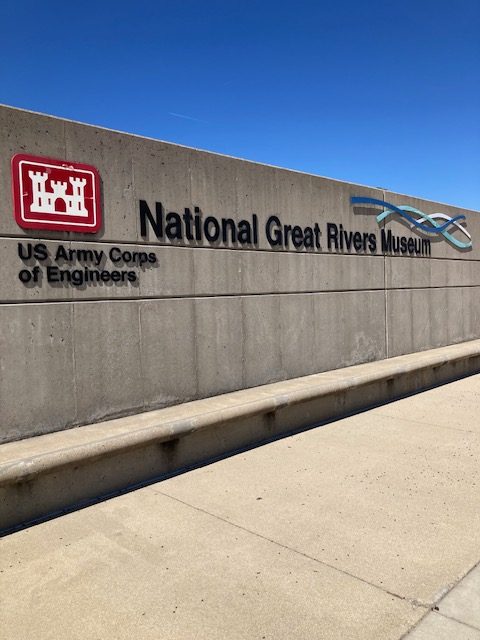
The National Great Rivers Museum in Alton, Illinois presents an engaging and interactive exhibition that portrays the Mississippi River as a constantly moving force shaping the natural and human world. The exhibit/museum communicates a clear big idea: the river never stops moving, it carves land, economies, and everyday life. Through a combination of hands-on displays and integrated storytelling, the museum encourages visitors to understand the river as both a natural system and a heavily engineered structure. While the exhibit/museum is especially effective for children and families. The exhibit/museum raises broader environmental questions, and tends to emphasize the benefits of human intervention and engineering.
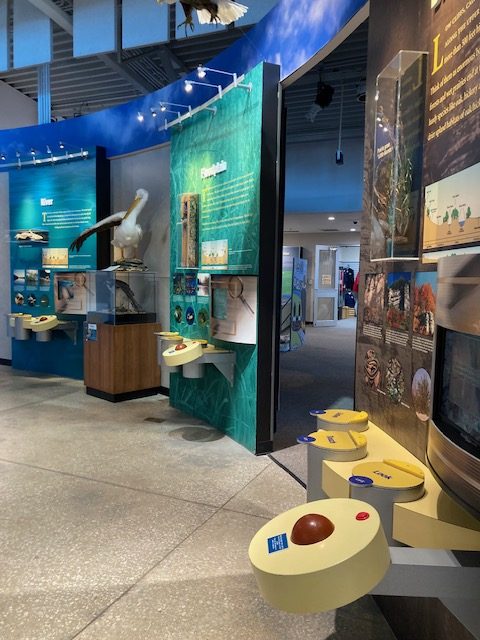
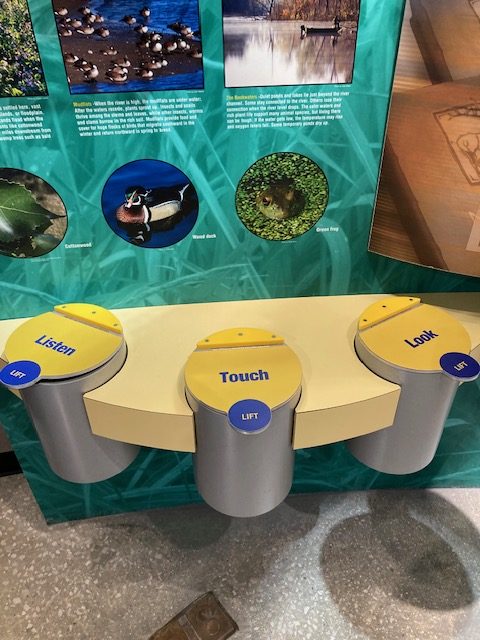
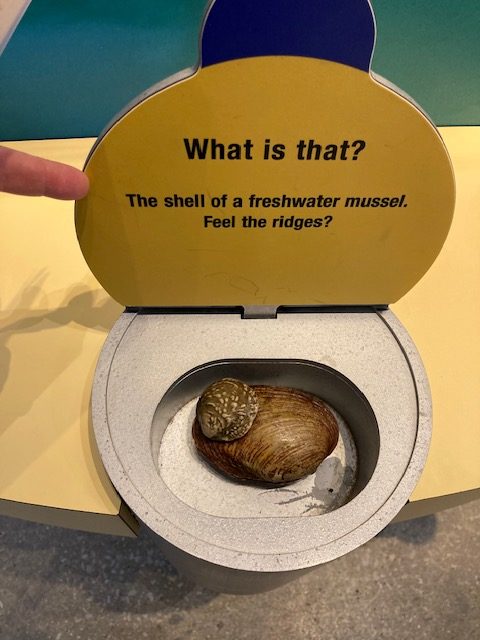
The museum is designed with accessibility in mind, particularly for younger audiences. Hands-on activities, simple language, and colorful visual displays make complex ideas easier to understand. Visitors learn how the Mississippi River has shaped its landscape over time through processes such as erosion, sediment movement, and shifting channels. These ideas are communicated through diagrams, interactive models, and visual timelines that make scientific ideas approachable. At the same time, the exhibit highlights the river’s ecological importance by illustrating how fish, birds, and other wildlife depend on its ever-changing environment creating a thriving ecosystem.
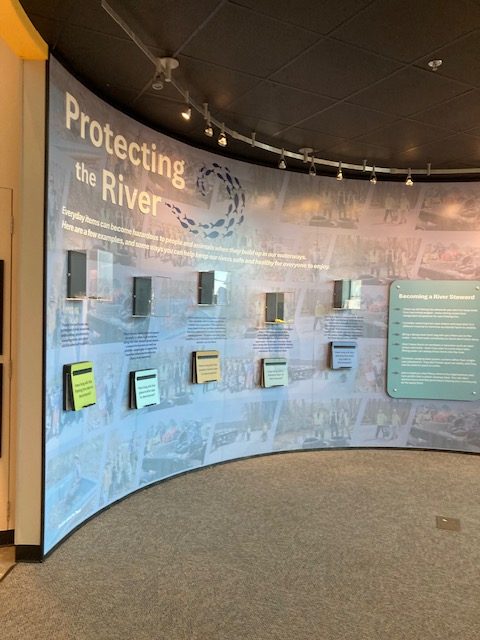
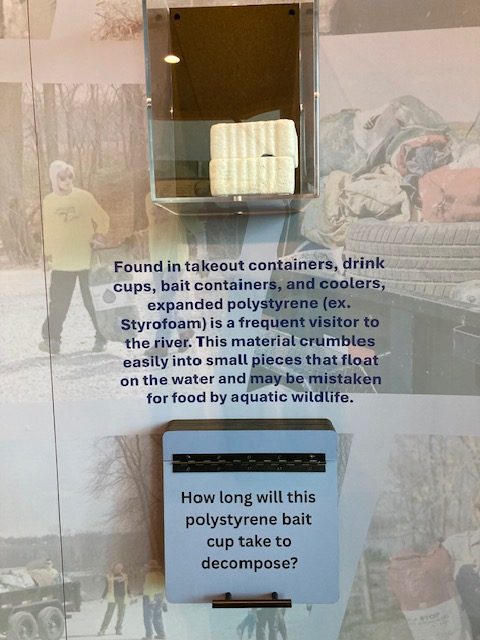
One particularly memorable element of the exhibit is the River Models display, which emphasizes the environmental impact of pollution. This display illustrates how long it takes for materials such as glass, Styrofoam, and fishing line to decompose. The fact that glass can take up to a million years to break down is especially striking! More importantly, the exhibit connects this information to its impact on wildlife, showing how these materials can harm animals long before they decompose. This moment adds an emotional dimension to the experience, encouraging visitors to reflect on their own environmental responsibility. By helping visitors understand these connections, the exhibit promotes environmental awareness and stewardship. This mission aligns with the goals of the Meeting of the Rivers Foundation, which works to increase public understanding of river systems and their importance. Through education and engagement, the museum encourages visitors to think more carefully about how human actions affect natural environments.
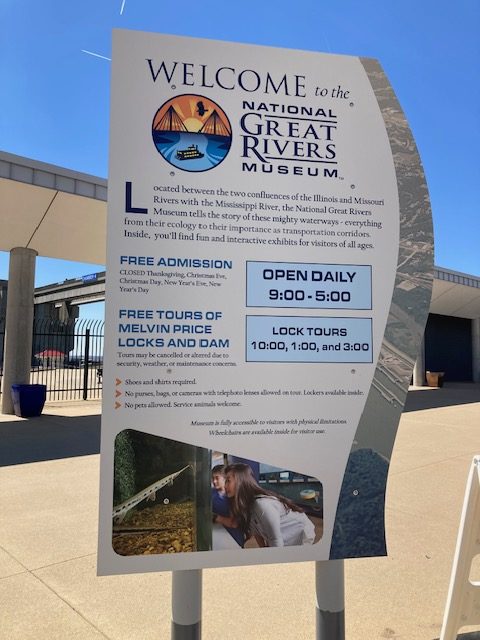
In addition to its focus on natural systems, the exhibit shows the connection between the river and industry. Visitors are introduced to the role of shipping, farming, and engineering in shaping how the river is used today. One interactive feature allows visitors to control a “stairway of water,” demonstrating how locks and dams enable boats and goods to move along the river. The museum takes a multidisciplinary approach, combining environmental, economic, and social perspectives to show how the river supports modern life. It also emphasizes the role of the U.S. Army Corps of Engineers in managing the river’s infrastructure, particularly through projects like the Melvin Price Locks and Dam, which facilitate large-scale transportation and economic growth.
While the exhibit demonstrates the benefits of engineering, it gives less attention to its potential drawbacks. Environmental consequences and controversies are mentioned only briefly, suggesting a slight bias that may reflect the museum’s institutional partnerships. For example, while locks and dams support commerce, they can also disrupt natural water flow and impact wildlife habitats. A more balanced discussion would strengthen the exhibit’s depth and provide visitors with a fuller understanding of the river’s complexities.
In conclusion, the National Great Rivers Museum presents the Mississippi River as a dynamic system shaped by both natural forces and human activity. Its strengths lie in its interactivity, accessibility, and ability to connect environmental and economic themes. Although its limited discussion of the negative impacts of engineering reduces its critical depth, the exhibit successfully educates visitors and fosters a greater appreciation for the complexity of river systems. As a result, it stands as a valuable and engaging educational experience that encourages both curiosity and environmental awareness.