The Role of VFDs in Modern Manufacturing and Process Control
Modern manufacturing depends on equipment that delivers accuracy, efficiency, and consistent performance. VFDs have become an essential part of industrial automation because they allow electric motors to operate at the required speed instead of running continuously at full capacity. Research shows that variable speed motor control significantly reduces energy consumption while improving production quality and equipment lifespan. Industries across the United States continue investing in advanced motor control technologies to increase productivity, lower operating costs, and meet sustainability goals. This approach supports better process optimization, minimizes unnecessary energy waste, and creates more reliable manufacturing environments.
What Are Variable Frequency Drives and How Do They Work?
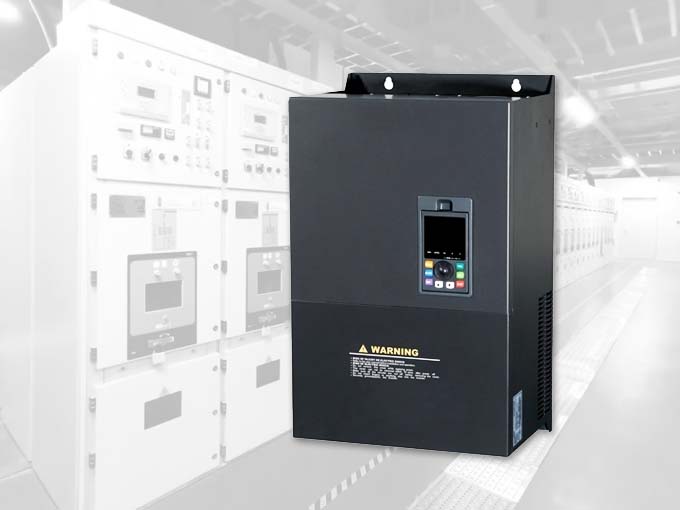
Variable Frequency Drives regulate the speed and torque of AC motors by adjusting the frequency and voltage supplied to the motor. Instead of relying on traditional fixed-speed operation, these electronic controllers deliver only the power necessary for each application. The technology includes components such as rectifiers, DC buses, and inverters that convert incoming electrical power into a variable output. This intelligent motor control allows manufacturers to maintain precise operating conditions while reducing mechanical wear. Research from industrial engineering studies demonstrates that variable frequency technology improves efficiency in pumps, fans, conveyors, compressors, and numerous automated production systems.
Key Benefits of Using VFDs in Manufacturing
Improved Energy Efficiency
- Reduces unnecessary electricity consumption during partial-load operation.
- Matches motor speed with production demand.
- Lowers utility expenses across manufacturing facilities.
- Supports energy conservation initiatives and sustainability goals.
Enhanced Equipment Protection
- Minimizes sudden motor starts and stops.
- Reduces mechanical stress on bearings and belts.
- Extends the operational life of industrial machinery.
- Lowers maintenance frequency and replacement costs.
Better Process Control
- Maintains consistent production speed.
- Improves product quality through accurate motor regulation.
- Supports automated manufacturing systems.
- Enhances operational flexibility for changing production requirements.
Energy Savings Through Smart Motor Speed Control
Electric motors consume a significant percentage of industrial electricity across manufacturing facilities. Operating motors only at required speeds can dramatically reduce power usage without affecting productivity. Engineering research consistently confirms that reducing motor speed often produces substantial energy savings because power consumption decreases more rapidly than speed. Facilities operating HVAC systems, cooling towers, industrial pumps, and ventilation systems benefit from lower electricity demand while maintaining production performance. These savings contribute to lower operational expenses and improved environmental performance, making energy-efficient motor control an important investment for modern industries.
VFDs in Automated Production Lines
Automation continues transforming manufacturing by increasing productivity and reducing manual intervention. VFDs play a central role in automated production because they provide precise speed regulation for conveyor systems, robotic equipment, packaging machinery, and material handling operations. Accurate speed synchronization ensures products move smoothly through every production stage without unnecessary interruptions. Advanced industrial controllers also integrate with programmable logic controllers (PLCs), industrial sensors, and supervisory control systems, allowing manufacturers to monitor and adjust equipment in real time. This combination supports consistent production quality while minimizing downtime and improving operational reliability.
Improving Product Quality with Precision Control
Consistent motor performance directly influences product quality across numerous manufacturing industries. Whether producing food, pharmaceuticals, automotive components, textiles, or electronic equipment, maintaining accurate motor speed prevents production inconsistencies. Stable speed control reduces vibration, minimizes process variation, and improves manufacturing precision. Research in industrial automation demonstrates that precise motor regulation reduces defects and improves repeatability. Manufacturers gain greater confidence in meeting customer specifications because equipment responds accurately to changing production demands without unnecessary fluctuations that affect finished products.
Supporting Process Control in Complex Industrial Systems
Modern process industries require continuous monitoring and accurate control to maintain safety and efficiency. Chemical processing, water treatment, oil refining, paper production, and mining operations depend on reliable motor performance throughout every production stage. Advanced drive systems communicate with industrial control networks, allowing operators to adjust equipment automatically according to process requirements. This real-time communication improves system responsiveness while maintaining stable production conditions. Intelligent automation also helps facilities identify operational abnormalities early, reducing unexpected shutdowns and improving overall process reliability.
Maintenance Advantages for Industrial Equipment
Industrial maintenance teams continuously seek methods that reduce equipment failures and extend machinery lifespan. Soft motor starting eliminates the sudden electrical and mechanical stress commonly associated with direct-on-line starting methods. Reduced stress protects gears, shafts, bearings, couplings, and conveyor systems from premature wear. Predictive maintenance strategies also benefit because many modern drives include diagnostic features that monitor operating conditions and detect potential issues before equipment failure occurs. Lower maintenance costs and fewer unexpected breakdowns contribute to improved production schedules and increased manufacturing profitability.
Environmental Benefits of Energy-Efficient Motor Systems
Sustainability has become an important objective for manufacturers throughout the United States. Lower electricity consumption directly reduces greenhouse gas emissions associated with power generation. Energy-efficient motor control also supports compliance with environmental regulations and corporate sustainability initiatives. Manufacturing facilities using intelligent motor management often decrease their carbon footprint while improving overall resource efficiency. Reduced energy demand lessens strain on electrical infrastructure and supports long-term environmental responsibility. Companies increasingly recognize that improving operational efficiency and environmental performance can successfully complement one another.
Choosing the Right Drive System for Manufacturing Applications
Selecting the appropriate drive system requires careful evaluation of production requirements, motor specifications, load characteristics, and operating environments. Engineers analyze factors such as horsepower, voltage ratings, overload capacity, environmental protection, communication protocols, and control accuracy before choosing suitable equipment. Variable torque applications, including pumps and fans, require different configurations than constant torque applications like conveyors or extruders. Proper installation, programming, and commissioning further ensure reliable performance. Careful planning allows manufacturers to maximize efficiency while maintaining safe and dependable industrial operations.
Future Trends in Smart Manufacturing with VFDs
Industrial automation continues evolving through digital technologies, artificial intelligence, Industrial Internet of Things (IIoT), and predictive analytics. 3-phase VFDs increasingly integrate with cloud-based monitoring platforms that provide real-time performance data, remote diagnostics, and predictive maintenance capabilities. Smart factories use connected equipment to optimize production schedules, identify energy-saving opportunities, and reduce operational risks. Advanced analytics help engineers make informed maintenance decisions while improving asset utilization. As Industry 4.0 expands across American manufacturing, intelligent motor control systems will continue supporting higher productivity, greater operational visibility, and improved manufacturing efficiency.
Research-Driven Best Practices for Maximizing Performance
Successful implementation depends on combining modern technology with proven engineering practices. Manufacturers should conduct detailed energy audits, monitor motor loading conditions, maintain proper ventilation, inspect electrical connections regularly, and update control software when necessary. Employee training also improves equipment operation by helping technicians recognize performance trends and respond quickly to changing production requirements. Industry research consistently demonstrates that combining efficient motor control, preventive maintenance, digital monitoring, and continuous process improvement creates measurable gains in productivity, equipment reliability, product quality, and long-term operational performance across modern manufacturing facilities.